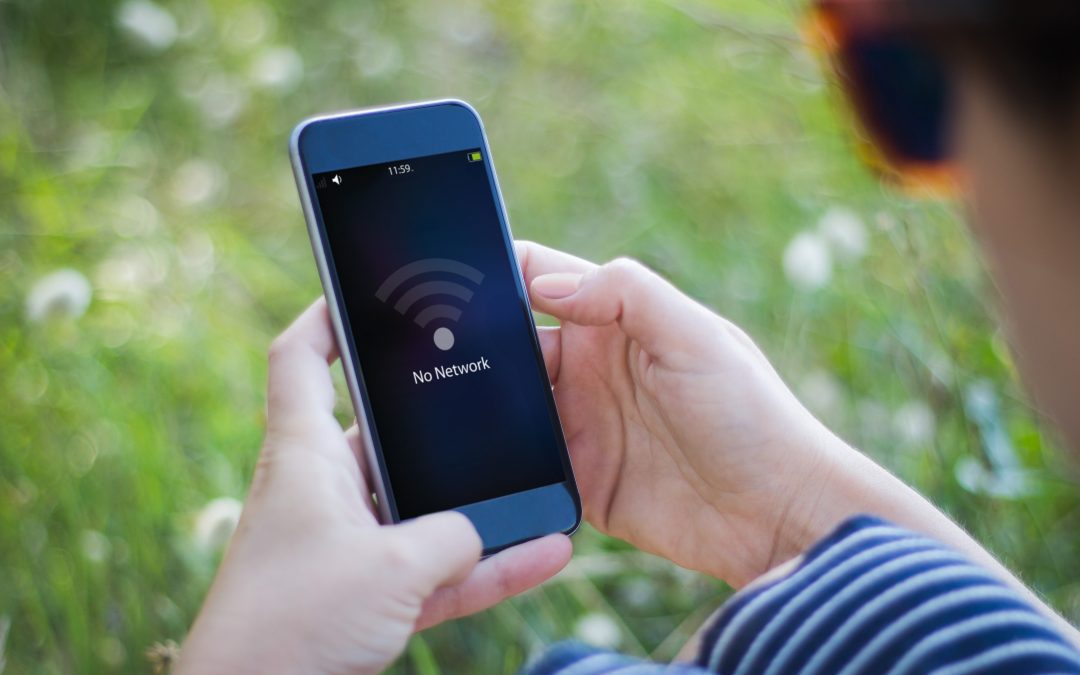
In today’s society, having access to the Internet has become a norm. The Internet has become essential for various aspects of life, work, education, healthcare, and social interactions. However, despite the importance of internet connection in the generation, a significant portion of the world’s population still lacks an internet connection. According to the UN’s International Telecommunication Union (ITU), one-third of the world’s population still does not have access to the Internet in 2022, and about 2.7 billion people have never been online.
While countries such as the United Kingdom and the United States have high internet access rates, there is still a huge digital divide in these countries. This report will highlight the social impact of having no internet access while looking specifically into how the United States and the United Kingdom are doing. Furthermore, this report will understand what countries are doing to tackle these issues, such as social tariffs for broadband, and also solutions of our own.
Social Impact of having no internet access
Countries like the United States, France, Germany, and the United Kingdom have the highest internet access rates. Almost 80 to 100 users per 100 inhabitants have access to the internet in these countries.
However, countries in Africa and many Asian economies have the lowest Internet access. Asian countries such as China, which are considered the world leaders in mobile money transactions, have one of the lowest internet accesses, which is a bit shocking.
Digital Divide:
There are different elements to the social impact of having no internet access. The first is it creates a digital divide. A digital divide is where people without internet access cannot participate in activities of the digital world. For example, the rural vs urban divide. People living in urban areas will always have better and more reliable access than those in rural areas. This is mainly due to the lack of infrastructure. In the UK, for example, only 80% of rural households in the UK have standard broadband availability compared to 98% of urban households. Also, only 21% of rural households in the UK have superfast broadband availability compared to 86% of urban households. This naturally leaves rural households at a significant disadvantage in accessing digital resources, thus widening the digital divide.
Furthermore, the lack of internet access in rural areas can limit potential educational and job opportunities. With the surge in online learning, the Internet has become a critical tool in education. Students with no internet access can struggle to keep up with their coursework, access learning resources, and participate in virtual classrooms. The UK 2020 announced a £100 million package to fund laptops and 4G wireless routers to vulnerable pupils with social workers, care leavers, and disadvantaged year 10s. However, there were just 200,000 devices and 50,000 routers up for grabs. This compares to the 540,000 children in groups currently eligible for the scheme, meaning that only 37% of these could be allocated a device. Furthermore, Ofcom states that between 1.14m and 1.78m children in total in the UK have no home access to a laptop, desktop, or tablet, meaning that the scheme only targeted roughly a third and a half of children who needed one.
While the government has announced the laptop scheme to be extended next term, the question of internet access still looms large. Providing a device is just one part of the puzzle; without reliable and fast internet connectivity, the usefulness of these devices can be significantly reduced.
Secondly, job opportunities have increasingly become more and more digital. Many jobs now require at least basic digital literacy skills and the ability to use online tools. With rural areas having limited access to the internet, this creates a further disadvantage.
Furthermore, in the USA, the pew research center found that “37% of non-broadband adopters indicate that it would not be easy for them to create a professional resume if they needed to do so; 30% would find it difficult to contact an employer via email, or fill out an online job application; and 27% would have a hard time finding online lists of available jobs in their area” (Pew Research, 2015). This further emphasizes the digital divide’s severe impact on employment prospects for those lacking access or skills to navigate the digital world.
Social Isolation:
The next important factor of the social impact of having no internet access is social isolation. In this digital world, the internet plays a huge role in social interaction today. People may find it harder to stay in touch with friends and families without internet access. Furthermore, with the addition of social media, teens or adults might feel excluded from certain cultural or social events organized or shared online. This sense of exclusion can lead to feelings of loneliness and depression, which can significantly impact mental health.
According to the Good Things Foundation, in 2020, there were 1.9 million households in Britain that didn’t have or couldn’t afford access to the Internet. In 2023 however, over 1 million have cancelled their broadband due to rising living costs. Putting the number of households without internet access to around 2.9 million. These people may face social isolation because they cannot communicate with the outside world.
At the same time, Good Things Foundation has started a campaign called “DevicesDotNow,” which is tackling digital exclusion by distributing devices and providing support to those who need it the most. The concern of digital exclusion remains pressing, particularly as it intersects with other forms of socioeconomic disadvantage.
Impaired Health Services:
The next important factor is health services. Currently, many health services have moved online. Whether it be for booking appointments, getting prescriptions ordered, or even having consultations, the Internet has become a critical tool in accessing healthcare. However, these changes can be exclusionary for those without internet access and could lead to worsening health conditions.
The UK, for example, has the NHS app where you can book appointments, order repeat prescriptions, view records, get advice, and many more with just a click of a button, making it user-friendly. Furthermore, research from Front Public Health found that “Internet access significantly facilitates healthcare access and mitigates the negative impact of income inequality on healthcare access.” This shows that internet access can be a significant equalizer in healthcare, providing greater autonomy and flexibility to individuals in managing their health.
So, those without internet access or those unaware of these services face more traditional, often less efficient ways of accessing healthcare, such as needing to call or physically visit a healthcare provider to make appointments or obtain prescriptions. This can create unnecessary obstacles and delays in accessing care and, in some cases, could even deter individuals from seeking help until their condition deteriorates significantly. The question is, how do we change this?
Access to Government Services:
Another aspect similar to health care services is government services. Many government services are now accessed online. For example, government services such as student loans, driving licenses, passports, etc, can only be applied online in the UK. This puts those without internet access and elderly people at a distinct disadvantage, as they might struggle to apply for these crucial services or face significant delays and difficulties in the process. What do people without access to the internet or without knowledge of the internet do? How can the government help in addressing this issue at hand?
Social Tariffs and broadband:
Social tariffs for broadband are reduced-rate internet service plans provided by internet service providers (ISP). These services are specifically designed to make broadband more affordable for low-income households. These tariffs are usually part of a government’s social policy to ensure internet access for all citizens, regardless of their socioeconomic status.
Many countries, such as the USA, United Kingdom, France, and Brazil, offer social tariffs for broadband. These programs vary in scope and design, reflecting each nation’s unique needs and policy contexts.
In the United States, for example, they have a “lifeline program.” This service is run by the Federal Communications Commission (FCC), providing discounted internet access for low-income households. The program for discounted broadband was introduced in 2016, where households eligible for the support can get up to 25mbps for $9.25 a month.
In the United Kingdom, several Internet Service Providers (ISPs) have taken notable strides in offering discounted broadband services. A key player, BT, through its BT Home Essentials program, provides an accessible option. For approximately £15 a month, households can avail themselves of around 36mbps, a substantial saving compared to the average cost of £32 a month.
In 2011 France set a social internet tariff at EUR 23 a month. Like other countries, France decided to implement the social internet tariff because of the digital divide affecting low-income households. The introduction of the social internet tariff helped many French families gain access to the digital world. Previously hindered by the cost of standard broadband plans, these households could now connect to the internet at a significantly reduced price.
Lastly, Brazil has a program called “Internet Para Todos,” which translates to Internet for everyone. This program was initially an expansion of the electronic government program that aimed to connect schools, hospitals, indigenous villages, border posts, and many more. The program has been implemented through various partnerships with ISPs and companies accredited by the ministry. In Brazil, there are more than 30,000 locations without an internet connection, and this program aims to change that.
In conclusion, social tariffs for broadband represent an impactful measure to mitigate the digital divide. By providing low-cost internet access, these programs offer critical opportunities for digital inclusion to low-income households. The examples from the United States, United Kingdom, France, and Brazil demonstrate a range of strategies, reflecting each country’s unique socioeconomic realities and policy objectives.
However, despite such initiatives, there remain challenges that prevent these offerings from reaching their full potential. For one, the uptake of these discounted services has been lower than expected. Several factors contribute to this, including low awareness among eligible households about these discounted broadband programs. Many potentially eligible consumers are simply unaware that these cost-saving options exist. Additionally, complex application processes and lack of digital literacy can pose significant barriers. Furthermore, even with these reduced rates, some families may still find the cost burdensome due to other financial pressures.
United States Situation:
According to the National Telecom and Information Administration (NTIA), about one in five U.S. households is not connected to the Internet. That is roughly 25.6 million households out of 128 million that are not connected to the internet. That is substantial, considering the USA is ranked in the top 10 regarding infrastructure.
President Biden has announced an initiative called “Internet for All,” they are working to connect everyone in America to affordable, reliable high-speed Internet. This initiative aims to address the digital divide in the United States and ensure that all Americans have access to affordable and reliable high-speed internet.
Furthermore, in recent days, the United States have announced it will spend $42 billion in broadband subsidies. Through this initiative, the government plans to invest heavily to expand broadband coverage to underserved areas and promote affordable internet for everyone. They plan to allocate each state with a specific amount of money to further develop their internet infrastructure. This initiative is based on the recognition that access to reliable, high-speed internet is not a luxury, but a necessity in today’s digital age.
Main Reason for Not Using Internet in the USA:
Interestingly, 58% say that they are either not interested or don’t need the Internet. From the findings, offline households citing either lack of interest or expense as the main reasons for non-use were people who lack digital literacy skills. Nevertheless, the main driver for households not being connected to the internet is the struggle with the high costs of home internet.
Furthermore, from the study, only 4% cited a lack of internet in their area, which starkly contrasts the often-cited assumption that lack of internet infrastructure is the primary reason for digital exclusion.
Overall, the United States faces a significant challenge in internet connectivity, with approximately one in five households not connected. However, with initiatives like “Internet for All,” the United States is taking steps in the right direction in addressing the digital divide.
United Kingdom Situation:
As previously mentioned, currently, in the United Kingdom, there are roughly around 2.9 million households without a broadband connection. This is due to the high broadband costs and the persistent socio-economic disparities that pervade society. This has serious implications, particularly as we navigate an increasingly digital world where internet access is crucial to social and economic participation.
According to a survey conducted by Statista in 2019, 61% said that they don’t have internet access because they found it not useful and uninteresting. This is surprising because it contrasts starkly with the growing dependence on the internet that we’ve seen in many areas of life. But like the USA, we found that a similar number of individuals simply don’t find the internet necessary. This disparity can be attributed to the potential lack of digital literacy among those who see the internet as uninteresting. As the world continues to shift towards a digital world, without the knowledge or skills to navigate it, it would leave millions of people behind, unable to access essential services, opportunities, and information increasingly being provided online.
Furthermore, from this survey, we find that lack of skills and access to the internet costs too high, being a relevant issue. 34% say they lack the skills to use the internet, and 29% mention it costs too much money to consider having. With the digital world fast approaching, the findings highlight the importance of addressing these issues to bridge the digital divide and promote inclusive participation in the digital age.
How well is the UK doing compared to others?
Compared to other countries, the UK is marginally doing better. However, this could be because of population differences and variations in infrastructure development. For example, the United States has roughly 20% of the population not connected to the internet. Compared to the United States, the United Kingdom, according to our research, only has about 10% of the population not connected to the internet. This shows that the UK has made commendable progress in addressing the issue of internet connectivity compared to the United States.
Furthermore, the European Union (EU) average of disconnected people is 7%. This indicated that the UK has a higher percentage of the average internet connectivity rate within the EU. This could be due to various factors, including population differences and differences in infrastructure developments. Still, the UK’s efforts in expanding broadband coverage, enhancing digital skills training, and implementing programs to address affordability issues may still need more work to bring down the percentage of disconnected people.
However, while the UK may sit at a lower number compared to other countries, it is important to understand that 10% is still many people not connected to the internet, and it is crucial to address the barriers that prevent these individuals from accessing the internet.
What is the solution?
Tackling the digital divide and providing affordable internet for everyone requires an enormous effort and a multifaceted approach involving help from the government, ISPs, the private sector, and many more. The key to starting to provide affordable internet comes from infrastructure development. The government and private sectors should invest in expanding and improving the digital infrastructure because expanding the infrastructure creates greater accessibility to Internet services in underserved areas. This will ultimately lead to cheaper broadband costs and a boost in digital connectivity for the country.
Furthermore, affordable initiatives such as social tariffs for broadband are important in ensuring equitable access to the Internet. Many countries already offer these initiatives and are taking the right steps in the right direction. But many individuals are still unaware of these initiatives being implemented, and despite the discounted prices, families still may find it difficult to pay for broadband.
A potential solution could be government investment to supply free internet for underprivileged families. For example, in the UK, the cost of High Speed 2 (HS2), a major railway infrastructure project in the United Kingdom, has so far cost roughly between 72 and 98 billion pounds. This money can provide free internet to every household for ten years. Instead of investing in railway infrastructure, investing in potential free Internet could significantly bridge the digital divide and ensure equitable access to the Internet.
Overall, providing a solution for this issue isn’t easy. It requires infrastructure development, affordable initiatives, and targeted investments to address the digital divide and provide affordable internet for everyone. In addition to infrastructure developments, governments should continue implementing different affordable initiatives and continuously be on the lookout for different solutions.
How do you live without the internet?
In 2012 a study was conducted by Paul Miller, who decided to disconnect from the internet for a year to see if it would increase productivity and well-being. He aimed to examine how the internet had influenced him over the years and believed that its absence would enhance his real-life experiences. The initial months were rewarding. He experienced in-person interactions, developed deeper concentration, and pursued offline hobbies. His real-life social relationships improved, and he felt more emotionally engaged.
However, as the year progressed, his initial enthusiasm waned. The absence of the internet did not lead to more productivity; instead, he fell into offline vices such as isolating himself at home and playing video games. Communication with friends and family became challenging, as coordinating via phone calls was more difficult than emails or online messaging. As he lost touch with people, he realized how the internet facilitates easy and immediate connection with others, something he found difficult to replicate offline.
He concluded that the real world and the digital world are closely intertwined, and the absence of the internet did not necessarily make his life more “real.” The internet did not cause his issues with productivity and relationships but were personal problems that existed regardless of his online status. While the internet might have provided an easy scapegoat for these issues, he acknowledged that he was responsible for his shortcomings and would need to address them irrespective of his internet usage. The experiment ended with him feeling like a failure, unsure of what he would do upon rejoining the digital world.
Ultimately this article shows the importance of the internet in our generation, and without access to the internet leaves one somewhat isolated and out of sync with the fast-paced modern world. It highlights that the internet isn’t merely a tool for communication, entertainment, or distraction but has become an integral part of our social and personal fabric, affecting how we interact, work, and form our identities.
Conclusion:
In conclusion, the social impact of not having internet access is significant and far-reaching. It creates a digital divide, where those without access cannot fully participate in the digital world, limiting their possibility to access education, job opportunities, healthcare services, government services, and many more. While efforts to address the digital divide are being made across the globe, the challenges of high cost, disparities in infrastructure, and lack of interest or perceived need for the internet persist. Going forward, government bodies, ISPs, and various stakeholders must continue collaborating and working towards a more equitable society where everyone can access the internet.